
Below are 10 physical / hardware technology trends that matter now through the end of 2026, each framed by its event horizon—the point where adoption stops being optional and starts reshaping markets, infrastructure, or daily behavior.
This is about things you can touch, build, install, power, or break.
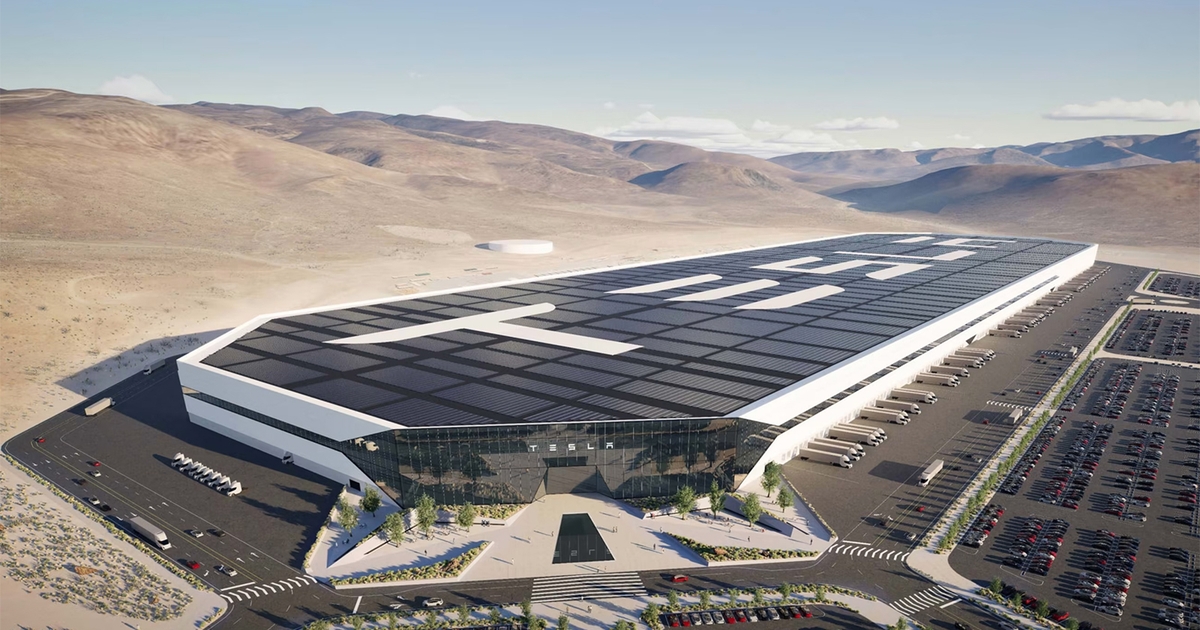
Taken together, these trends point to a decisive shift away from software-led optimism and toward hard constraints. Power availability, grid stability, cooling capacity, materials, skilled labor, and physical throughput are becoming the binding limits of growth. The next phase of technological change will not be led by apps or platforms, but by infrastructure that can actually support them.
Across energy, compute, construction, manufacturing, and security, the pattern is consistent: systems are being redesigned for reliability, density, and repeatability, not elegance or novelty. Modular data centers replace bespoke hyperscale projects. Liquid cooling displaces air. Battery technology favors durability over theoretical performance. Automation moves downstream into smaller shops because labor reliability can no longer be assumed. Precision manufacturing returns because tolerance failures now cascade across supply chains.
The event horizons outlined here matter because they mark when delay stops working. Utilities can no longer defer upgrades. Cities can no longer approve projects without power plans. Organizations can no longer rely on brittle, centralized systems. Insurance, regulation, and operating costs will force adoption even where leadership hesitates.
This is not a story about breakthrough inventions. It is a story about systems being forced to reconcile with physics, energy, and maintenance reality. Regions and institutions that understand this early—those that invest in power access, cooling, skilled trades, modular construction, and physical security—will quietly gain leverage. Those that continue to plan as if technology is weightless will find themselves constrained not by imagination, but by transformers, substations, heat, and time.
In the next two years, physical technology will stop being background infrastructure and become the primary strategic variable.
1. Power Infrastructure Becomes the Primary Constraint
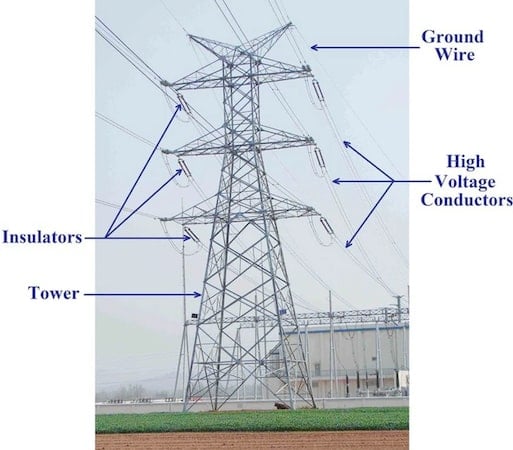
Trend: Electricity generation, transmission, and transformers become the bottleneck—not chips.
Event horizon: 2025
Grid upgrades, substations, and transformers hit multi-year backlogs.
Why it matters:
- Data centers, EV charging, and industrial reshoring all compete for the same electrons
- Regions with cheap, stable power gain leverage
- Everything else slows without it
2. Data Centers Go Vertical, Modular, and Local
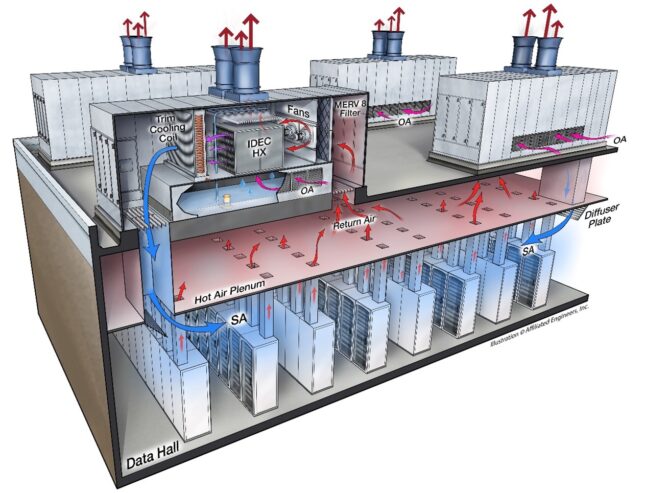
Trend: Smaller, faster-to-deploy data centers proliferate outside Tier-1 metros.
Event horizon: Late 2025
Hyperscale isn’t fast enough; modular wins.
Why it matters:
- Secondary cities become compute hubs
- Construction, cooling, and maintenance trades benefit
- Zoning and power access become political flashpoints
3. Cooling Technology Becomes Strategic Hardware
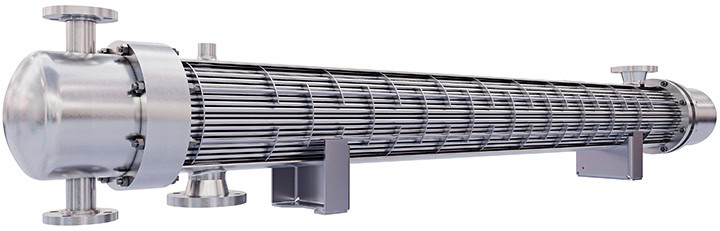

Trend: Cooling shifts from HVAC to liquid, immersion, and heat-reuse systems.
Event horizon: 2025–2026
Why it matters:
- Compute density skyrockets heat loads
- Cooling becomes as important as silicon
- Industrial heat reuse (district heating, greenhouses) re-enters the conversation
4. Industrial Automation Moves Down-Market

Trend: Robotics and automation move from mega-factories into small and mid-sized operations.
Event horizon: Mid-2025
Why it matters:
- Labor scarcity + reliability issues force automation
- “Lights-out” partial automation becomes normal
- Skilled technicians matter more than operators
5. Semiconductor Packaging Beats Moore’s Law
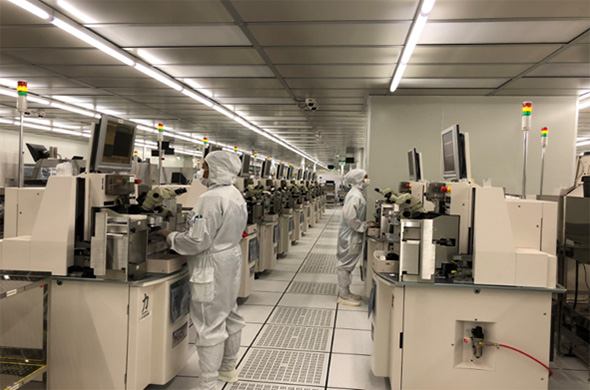
Trend: Gains come from chiplets, stacking, and packaging, not smaller transistors.
Event horizon: 2026
Why it matters:
- Performance improves without massive fab overhauls
- Domestic packaging plants become strategic assets
- Supply chain resilience improves unevenly
6. Battery Tech Prioritizes Durability Over Density
Trend: LFP, sodium-ion, and grid-scale storage outpace exotic lab chemistries.
Event horizon: 2025
Why it matters:
- Storage stabilizes grids and renewables
- EVs become cheaper but heavier
- Fire risk, lifespan, and recycling dominate decisions
7. Construction Tech Shifts to Speed and Repeatability

Trend: Prefab, modular, and panelized construction scale quietly.
Event horizon: Late 2025
Why it matters:
- Labor shortages force factory-style building
- Speed beats customization
- Housing, data centers, and healthcare benefit first
8. Precision Manufacturing Returns (Quietly)
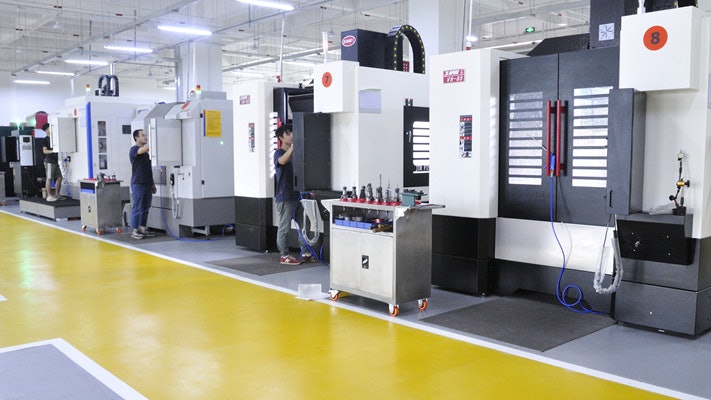
Trend: High-tolerance machining, metrology, and QA regain importance.
Event horizon: 2025–2026
Why it matters:
- Defense, aerospace, medical, and energy demand it
- “Good enough” manufacturing fails
- Skilled machinists and inspectors become scarce
9. Sensor Saturation of Physical Space
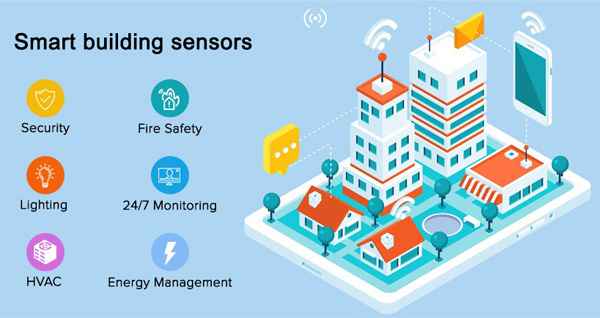
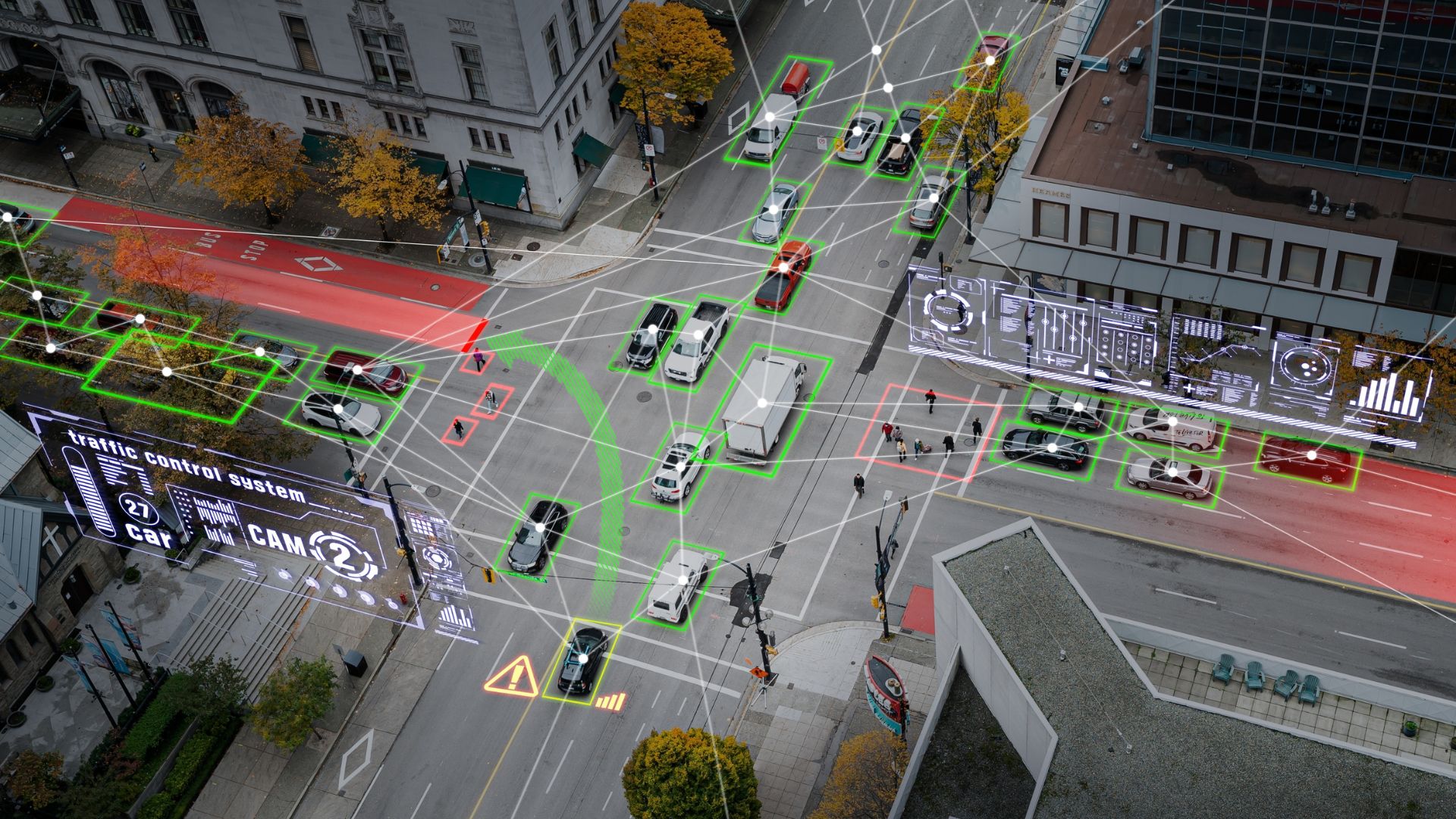
Trend: Sensors become cheap, ubiquitous, and infrastructure-level.
Event horizon: 2025
Why it matters:
- Buildings, roads, utilities, and factories generate constant data
- Maintenance becomes predictive, not reactive
- Privacy fights move from digital to physical space
10. Physical Security Hardens Again

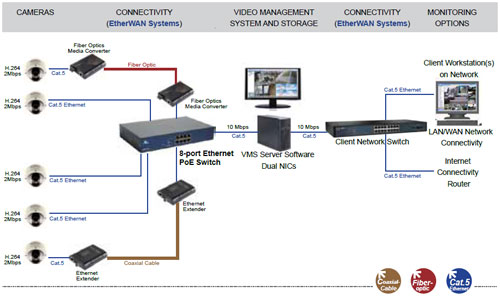
Trend: Access control, perimeter security, and redundancy return to priority status.
Event horizon: 2026
Why it matters:
- Infrastructure sabotage and theft risks rise
- Insurance forces upgrades
- Security hardware becomes a compliance requirement, not a choice
The Structural Reality (No Hype)
Through 2026, physical systems dominate leverage:
- Power > software
- Cooling > compute
- Logistics > algorithms
- Reliability > innovation
Regions, firms, and individuals tied to infrastructure, maintenance, power, construction, and physical systems thinking gain real advantage—while purely digital plays get crowded and fragile.
