Thursday, December 25, 2025

The End of 2025: What Technology Is Actually Becoming Part of Everyday Life

Executive Summary — For the General Public

Most people think new technology spreads because it is exciting, futuristic, or heavily advertised. In reality, technology becomes part of everyday life for much simpler reasons: it saves time, reduces friction, lowers costs, or becomes quietly assumed by the systems around us.

By the end of 2025, several technologies crossed a line where opting out became harder than opting in. Streaming replaced cable not because people loved apps, but because cable became too expensive and inflexible. Phone payments spread because retailers, airlines, and venues built around them. AI slipped into daily tools not as a headline feature, but as invisible assistance that reduced small, constant mental chores.

Other technologies are clearly on the way but not yet universal. Hybrid automobiles are becoming the sensible default because they fit existing habits while lowering fuel costs. Driver-assistance features and basic smart home devices spread because they reduce risk and stress without demanding lifestyle changes. Wearables, subscription management, and limited digital identity systems are following the same path—uneven at first, but increasingly normal.

Some technologies are visible but still early. AR glasses, domestic robots, and consumer drones exist and work, but they struggle with comfort, cost, or social friction. They will become familiar before they become necessary.


πŸ”’ LOCKED IN

Already unavoidable. Saturation is the only thing left.

1. Streaming as the Default (Cable as the Exception)

What it is:
Television and movies delivered primarily through internet-based streaming services rather than cable or satellite.

What this means for you:
You no longer have a single entertainment provider. Instead, you manage multiple services, rotate subscriptions, and follow shows as they move between platforms.

Life Impact:
Entertainment becomes a budgeting and attention exercise rather than a passive habit. Households spend more time deciding what to keep, what to cancel, and what they are willing to miss. Content availability changes month to month, which creates a low-level pressure to “stay current” or risk losing access. Sports, news, and local programming fragment across platforms, forcing additional subscriptions or compromises. The cause is economic: streaming is cheaper to distribute and gives companies tighter control over pricing and content. The effect is flexibility paired with instability. You gain choice, but lose predictability. Over time, this reshapes how families plan leisure time, talk about shared shows, and manage recurring expenses.


2. Digital Wallets & Smartphone-Based Payments

What it is:
Using a smartphone to store and use payment cards, tickets, passes, IDs, and access credentials.

What this means for you:
Your phone increasingly replaces your physical wallet. Many services assume you can tap, scan, or verify digitally.

Life Impact:
Daily transactions become faster and cleaner—no fumbling for cards, no printed tickets, fewer forgotten passes. At the same time, dependency deepens. A dead battery, lost phone, or locked account now interrupts shopping, travel, work access, and identity verification all at once. Households begin to build habits around phone maintenance: charging routines, backups, passcodes, and recovery plans. The cause is institutional efficiency: retailers, airlines, banks, and venues reduce fraud and overhead by centralizing payment and identity. The effect is convenience with higher stakes. Access to everyday life becomes tied to a single device that must always be available and functional.


3. AI Embedded in Everyday Devices

What it is:
Artificial intelligence built directly into phones, email, photos, search, and productivity tools, often without being labeled as “AI.”

What this means for you:
Routine tasks take less effort. Writing, searching, organizing, and editing feel faster and smoother.

Life Impact:
Small cognitive chores shrink. Emails summarize themselves, photos auto-correct, and searches deliver direct answers. This saves minutes repeatedly throughout the day, which adds up to a noticeable reduction in mental clutter. Over time, however, expectations rise. Faster replies, cleaner writing, and better organization become the baseline, not a bonus. Falling behind becomes more visible because assistance is assumed to be available. The cause is competition: companies embed AI to reduce friction and keep users engaged. The effect is increased efficiency paired with subtle pressure. Productivity rises, but so does the standard for what counts as “keeping up.”


πŸ” INEVITABLE

Adoption is clearly underway; resistance won’t stop it.

4. Hybrid Vehicles (Gas + Electric)

What it is:
Vehicles that combine a traditional gas engine with an electric motor to improve fuel efficiency without requiring charging.

What this means for you:
When it comes time to replace a car, hybrids increasingly appear as the “default” option rather than a specialty choice.

Life Impact:
Owning a hybrid subtly reshapes everyday driving. You stop thinking about fuel as often because mileage improves, especially in city traffic and short trips. Gas station visits become less frequent, and fuel costs feel more predictable. There is no need to plan charging, upgrade home wiring, or rethink long-distance travel. Over time, non-hybrid gas cars begin to feel inefficient and dated in the same way cars without backup cameras now feel outdated. The cause is practical constraint: charging infrastructure remains uneven, fuel costs fluctuate, and maintenance costs punish inefficiency. The effect is quiet normalization. Hybrids spread not through enthusiasm or ideology, but because they fit existing habits while lowering friction and long-term ownership costs.


5. Smart Driver-Assistance Features

What it is:
Vehicle systems such as adaptive cruise control, lane keeping assistance, collision warnings, and automatic braking that support—but do not replace—the driver.

What this means for you:
Driving becomes less mentally exhausting, especially on highways and in stop-and-go traffic.

Life Impact:
These features reduce everyday driving stress rather than transforming driving entirely. Long commutes feel less tiring, sudden braking feels less dangerous, and minor lapses in attention are more often caught before they become accidents. Over time, you begin to expect the car to help with routine vigilance, much like power steering or anti-lock brakes became assumed. The cause is safety economics: accidents are expensive for manufacturers, insurers, and drivers alike. The effect is behavioral normalization. Once accustomed to assistance, older vehicles feel harsher and riskier to drive, not because they are unsafe, but because they demand more constant attention in a world where help has become standard.


6. Basic Smart Home Devices

What it is:
Connected devices such as video doorbells, security cameras, and smart thermostats that provide monitoring and control through a phone.

What this means for you:
You gain visibility and control over your home even when you are not there.

Life Impact:
Daily life becomes slightly more informed and slightly more secure. You see who’s at the door without opening it, check on packages while away, and reduce energy waste without constant adjustment. Over time, these features feel less like “technology” and more like basic home infrastructure. Insurance discounts, landlord requirements, and neighborhood norms quietly reinforce adoption. The cause is risk and cost: homes are expensive assets, energy prices fluctuate, and theft or damage carries lasting consequences. The effect is expectation. People begin to assume that a home can “report its status,” and living without that awareness starts to feel unnecessarily blind.


πŸ“ˆ VERY LIKELY

Strong momentum; normal households will encounter it.

7. Wearable Health Monitoring (Lifestyle, Not Medical)

What it is:
Watches, rings, or bands that track sleep, heart rate, movement, and general wellness trends without diagnosing illness.

What this means for you:
You gain ongoing feedback about how your body responds to daily habits, stress, and routines.

Life Impact:
Wearables shift health awareness from occasional checkups to everyday pattern recognition. You begin to notice connections: poor sleep after late meals, higher stress during certain weeks, or fatigue tied to inactivity. This does not turn you into a patient or replace doctors, but it changes how you interpret how you feel. Instead of guessing why you’re tired or irritable, you see trends that explain it. The cause is sensor maturity and convenience—these devices became cheap, comfortable, and easy to read. The effect is earlier self-correction. People adjust behavior sooner, rest more intentionally, and approach health conversations with clearer context, even if formal medical decisions remain unchanged.


8. Subscription “Essential Stack” Management

What it is:
Actively choosing, rotating, and trimming digital subscriptions rather than accumulating them indefinitely.

What this means for you:
Monthly bills require more attention, but less waste.

Life Impact:
Households stop treating subscriptions as background noise and start managing them like utilities. Streaming services, apps, and digital tools are evaluated regularly: “Are we using this?” “Is it worth the cost?” Families rotate platforms based on seasons, shows, or needs instead of paying year-round. The cause is economic pressure—small recurring charges add up, and price increases force decisions. The effect is a new consumer habit. People become more intentional, less impulsive, and more comfortable canceling and re-subscribing. Over time, this reduces financial leakage but increases planning. Digital life becomes something you curate rather than passively accept.


9. Digital Identity & Verification (Limited Use)

What it is:
Secure digital methods to confirm who you are for banking, travel, account recovery, or regulated services.

What this means for you:
Some processes that once required paperwork or phone calls become faster—but more controlled.

Life Impact:
Identity verification becomes something you encounter at specific friction points: opening accounts, recovering access, verifying age, or traveling. Instead of mailing documents or answering security questions, you confirm identity digitally. The cause is fraud and system abuse—institutions lose money when identity is weak. The effect is mixed. Legitimate users save time when systems work correctly, but frustration rises when automated checks flag errors. Over time, people adjust expectations: access becomes smoother when verified upfront, but privacy concerns remain. This technology spreads not because people like it, but because institutions increasingly require it to function efficiently.


πŸ“Š PROBABLE

Adoption depends on cost and friction, but trends favor it.

10. Home Energy Technology (Solar + Batteries)

What it is:
Residential solar panels and home battery systems that reduce dependence on the electrical grid.

What this means for you:
Electricity becomes something you can partially manage rather than passively consume—if the economics work where you live.

Life Impact:
For households in outage-prone or high-cost energy regions, home energy systems change how power is perceived. Electricity stops feeling guaranteed and starts feeling strategic. A battery can keep lights, refrigeration, and communications running during outages; solar can flatten monthly bills over time. The cause is increasing grid strain—more demand from data centers, EVs, extreme weather, and aging infrastructure. The effect is uneven normalization. In some neighborhoods, backup power becomes expected; in others, it remains unnecessary. Even for non-adopters, expectations shift. Power reliability becomes a topic of planning rather than assumption, and resilience becomes something you can buy if the cost makes sense.


11. AI-Assisted Learning & Tutoring (Adults)

What it is:
Using AI tools to explain concepts, practice skills, and complete tasks privately, without formal classes or instructors.

What this means for you:
Learning becomes something you do quietly, on demand, without asking permission or exposing gaps in knowledge.

Life Impact:
AI tutoring changes how adults approach confusion. Instead of avoiding unfamiliar tasks or struggling silently, people ask for explanations in plain language, retry instructions, or rehearse writing and problem-solving privately. The cause is practical pressure: work, forms, software, and communication are increasingly complex, while formal education rarely keeps pace. The effect is confidence recovery. People become “good enough” at more things—navigating paperwork, updating skills, communicating clearly—without credentials or classrooms. This does not replace formal education, but it fills the space between ignorance and expertise, reducing everyday friction and embarrassment.


12. Foldable & Multi-Screen Devices

What it is:
Phones and laptops that expand into larger screens through folding or multi-display designs.

What this means for you:
Your primary device becomes more flexible, reducing the need to switch between phone, tablet, and laptop.

Life Impact:
These devices mainly affect how people juggle tasks. Reading while responding, referencing documents during calls, or navigating maps while messaging becomes easier on a single device. The cause is convergence: phones are already the primary computer for many people, and screen size is the main limitation. The effect depends on durability and cost. If foldables become rugged and affordable, they spread naturally. If they remain fragile and expensive, they stay niche. For most households, the impact is exposure rather than necessity—you’ll see and understand the appeal, even if you don’t adopt immediately.


🌱 EARLY BUT REAL

Visible now, uneven adoption.

13. Augmented Reality Glasses

What it is:
Wearable glasses that overlay digital information—directions, captions, translations, instructions—onto the real world.

What this means for you:
You will begin to see these devices used around you before you ever feel the need to wear them yourself.

Life Impact:
AR glasses introduce information into daily life without requiring you to look down at a screen. In practice, this is most useful for specific tasks: navigating unfamiliar places, following step-by-step instructions, translating signs, or receiving captions in noisy environments. The cause behind their development is straightforward—technology companies are searching for what comes after the smartphone. The effect, however, is social friction. Comfort, battery life, appearance, and privacy concerns slow everyday use. By late 2026, AR glasses will feel familiar but not normal. People will understand what they do and where they make sense, yet most will still prefer pulling out a phone rather than wearing a computer on their face all day.


14. Domestic Robots (Beyond Vacuums)

What it is:
Robotic devices that perform limited household tasks such as cleaning, monitoring, lawn care, or simple assistance.

What this means for you:
You may own one specialized robot, but not a general-purpose helper.

Life Impact:
Domestic robots enter homes slowly because homes are unpredictable environments. Furniture moves, pets interfere, floors change, and tasks vary daily. The cause behind their expansion is labor scarcity and cost—routine services are expensive, inconsistent, or unavailable. The effect is narrow usefulness. Robots succeed when tasks are repetitive and contained, like vacuuming or lawn mowing. For most households, this creates a shift in expectations rather than total automation. People begin to assume that at least one chore can be delegated reliably. The broader impact is psychological: help no longer has to be human for simple tasks, but human judgment remains essential for everything else.


15. Consumer Drones (Household Use)

What it is:
Small, affordable drones used for inspection, monitoring, or occasional utility tasks rather than recreation.

What this means for you:
Drones become tools you borrow, hire, or occasionally use—not something most households own.

Life Impact:
Consumer drones are most useful when they save time or prevent risk: checking roofs after storms, inspecting large properties, surveying hard-to-reach areas. The cause is declining hardware costs and improved camera stability. The effect is limited household adoption due to noise, privacy concerns, regulation, and learning curves. By late 2026, drones will be more common in neighborhoods, but primarily operated by professionals or enthusiasts. For ordinary people, the impact is indirect. Expectations change around visibility and inspection—what once required ladders or contractors can sometimes be done quickly from the air, reshaping how people think about property maintenance and oversight.


🌫 WEAK SIGNAL

Plausible, but fragile or niche.

16. Wireless Over-the-Air Power

What it is:
Technology that charges devices without cables or charging pads, using energy transmitted through the air.

What this means for you:
You may see demonstrations or limited installations, but you should not plan your daily routines around it yet.

Life Impact:
If perfected, wireless power would remove one of modern life’s constant frictions: managing chargers, cables, and dead batteries. The appeal is obvious—devices that stay topped up simply by being in a room. The cause driving this research is convenience and clutter reduction. The effect, however, remains constrained by physics, safety, and efficiency. Power transmitted through air loses energy quickly and raises concerns about heat, interference, and exposure. By late 2026, this technology is more likely to appear in controlled environments—offices, furniture, public kiosks—than in homes. For ordinary people, the impact is awareness, not reliance. Charging anxiety persists, and cables remain the practical solution.


17. Human-Centric Sensory Interfaces (Haptics / Neural)

What it is:
Devices that allow people to feel or control digital systems through touch, motion, or experimental neural signals.

What this means for you:
You will mostly encounter this in gaming, training, or specialized work environments, not daily life.

Life Impact:
These interfaces promise more immersive interaction—feeling virtual objects, training muscles, or controlling systems intuitively. The cause is a search for richer digital experiences as screens reach their limits. The effect for common people is minimal in the near term. Hardware is expensive, bulky, and fragile, and setup is often complex. By late 2026, these tools remain confined to simulations, medical training, and high-end entertainment. For households, the impact is indirect. Expectations about realism in games and training rise, but everyday interaction still relies on screens, keyboards, and touch. This technology waits for a breakthrough that simplifies it enough to matter broadly.


18. Dumb Phones for Digital Minimalism

What it is:
Phones designed primarily for calls and texts, intentionally limiting apps and notifications.

What this means for you:
These devices appeal to people seeking less distraction, but they introduce new inconveniences.

Life Impact:
Dumb phones offer relief from constant alerts, social media pressure, and attention fragmentation. The cause is burnout—many people feel overwhelmed by always-on digital life. The effect is a tradeoff. While mental calm improves for some users, everyday tasks become harder: banking, tickets, navigation, work communication, and school systems increasingly assume smartphone access. By late 2026, dumb phones remain a conscious lifestyle choice rather than a mainstream shift. Their broader impact is cultural, not technological. They signal growing discomfort with digital overload, even as society continues to organize itself around smart devices.


19. Bio-Digital Health Integrations (Implants / Advanced Biotech)

What it is:
Medical technologies that integrate directly with the body, such as implants or advanced biometric systems beyond wearables.

What this means for you:
Most people will encounter this only through medical necessity, not consumer choice.

Life Impact:
These technologies hold long-term promise: earlier detection of illness, better chronic disease management, and more personalized care. The cause is mounting pressure on healthcare systems from aging populations and rising costs. The effect through 2026 is limited consumer exposure. Ethical concerns, regulation, liability, and public trust slow widespread adoption. For ordinary people, the impact is indirect—greater discussion about continuous health monitoring and data ownership, but little expectation of elective use. This remains a medical frontier, not a household upgrade, with progress measured in cautious steps rather than rapid rollout.


20. Agentic Personal AI (Fully Autonomous Life Management)

What it is:
AI systems designed to act independently on a person’s behalf—paying bills, scheduling, negotiating services, and making decisions.

What this means for you:
You will see assistants that help, but not systems you fully trust to act without approval.

Life Impact:
The appeal is reduced mental load—less time spent managing schedules, payments, and routine decisions. The cause is cognitive overload: modern life demands constant attention to small administrative tasks. The effect is restraint. Trust, liability, and error risk keep full autonomy out of reach. By late 2026, most people interact with AI as a copilot rather than a manager—drafting, recommending, organizing, but not executing independently. The impact is incremental relief, not surrender of control. Fully autonomous personal AI remains an idea in progress, not a daily reality.


Finally, a group of ideas—wireless power, advanced implants, fully autonomous AI—remain weak signals. They are plausible, but not ready for everyday life.

The pattern is consistent: technologies succeed when they fit real constraints. Not hype, not promises—power, cost, reliability, and trust decide what actually takes hold.

Wednesday, December 24, 2025

The End of 2025: How Technology Really Takes Hold (And Why So Much of It Doesn’t)

Most people think technology spreads because it is new, fast, or impressive. In reality, technology only becomes real when it fits inside the limits of the world we live in.

The following dynamics explain why some technologies quietly become unavoidable, while others stall out, break down, or never make it past early hype.

The dynamics outlined in this report explain why some technologies crossed the threshold into everyday use while others remained stuck in pilots, press releases, or isolated deployments. They show how real adoption is shaped by constraints, costs, reliability, governance, and trust—forces that rarely appear in marketing decks but ultimately decide outcomes.

This framework is not about predicting the future. It is about recognizing what hardened by the end of 2025, what is no longer optional, and what 2026 now inherits whether institutions are prepared for it or not.


1. Constraint Dynamics

What actually limits growth

Every technology runs into real-world limits. These include electricity, water, land, skilled workers, permits, spare parts, and time.

A system can work perfectly in a lab or pilot program and still fail if there isn’t enough power to run it, enough trained people to maintain it, or enough physical space to install it.

What people experience:
Projects get delayed, downsized, or cancelled—not because the technology failed, but because the surrounding infrastructure couldn’t support it.


2. Adoption Friction

How hard it is for people to actually use something

Even good technology creates disruption. Workers must be trained. Old habits must change. Systems must work reliably, not just occasionally.

If a new system makes daily work harder or more confusing—even temporarily—many organizations quietly stop using it.

What people experience:
Technology that “works” on paper but never becomes part of everyday life.


3. Cost-Curve Inversion

When old systems become more expensive than new ones

Change rarely happens because something new is exciting. It happens when the old way becomes too costly to keep.

This includes repair costs, insurance, downtime, regulatory compliance, and labor inefficiency.

What people experience:
Sudden upgrades that feel forced, not optional. The old system becomes financially indefensible.


4. Maintenance Burden

What it takes to keep something running

Installing technology is often easier than maintaining it. Over time, systems require parts, specialized skills, software updates, and vendor support.

If maintenance is expensive or hard to staff, systems quietly fall into disrepair.

What people experience:
Equipment that technically exists but no longer works well—or at all.


5. Reliability vs. Performance

Why “good enough” beats “best”

High-performance systems are impressive, but unreliable systems cause real damage. As organizations lose slack, they prioritize uptime over peak output.

A system that works all the time is worth more than one that works beautifully only sometimes.

What people experience:
Simpler, more durable technology replacing more advanced but fragile systems.


6. Centralization vs. Decentralization

Where control and risk end up

Some technologies pull power into fewer hands because they require scale, capital, or centralized control. Others spread out because resilience matters more than efficiency.

The direction matters because it determines who has leverage and who becomes dependent.

What people experience:
More reliance on large providers—or a push toward local, distributed solutions when centralized systems fail.


7. Regulatory Pressure

When rules force change

Regulation often lags innovation, but when it arrives, it can force rapid adoption. Insurance requirements, safety rules, and environmental standards frequently push organizations to upgrade.

What people experience:
Technology adoption that feels sudden, driven by paperwork rather than enthusiasm.


8. Workforce Impact

How technology affects jobs

Some technology replaces workers. Some reduces skill requirements. Some allows fewer people to do more without losing quality.

Technologies that simply eliminate jobs tend to face resistance. Those that stabilize operations tend to last longer.

What people experience:
Jobs changing shape rather than disappearing overnight.


9. Capital Intensity

Who can afford to participate

Some technologies require large upfront investment. Others can be adopted in small steps.

High-cost technologies concentrate power among those who already have resources.

What people experience:
Big players pull ahead while smaller ones struggle to keep up.


10. Supply Chain Visibility

How hidden dependencies create risk

Modern systems depend on parts and materials sourced from far away. When those links are invisible, disruptions come as surprises.

Transparent supply chains allow preparation. Opaque ones don’t.

What people experience:
Sudden shortages with no clear explanation.


11. Security Exposure

How connected systems create new risks

Every connected system creates new ways to fail or be attacked. This includes physical access, cyber vulnerabilities, and insider threats.

Security often becomes mandatory only after something goes wrong.

What people experience:
New locks, cameras, controls, and procedures appearing after incidents.


12. Local Capacity

Whether a place can actually support the technology

A technology might work nationally but fail locally if utilities, trades, emergency services, or zoning can’t support it.

What people experience:
Projects that stall in certain cities or regions while moving forward elsewhere.


13. Repair Speed

How quickly things can be fixed

Some systems fail slowly and can be repaired quickly. Others fail fast and take months to fix.

Systems in the second category are fragile, no matter how advanced they seem.

What people experience:
Long outages and extended disruption from relatively small failures.


14. Forced System Changes

What else has to change for technology to work

New technology often requires changes in training, facilities, rules, or workflows. These ripple effects are often underestimated.

What people experience:
Unexpected costs and disruption beyond the original upgrade.


15. Trust and Legitimacy

Whether people believe in the system

Technology adoption depends on trust—by the public, insurers, regulators, courts, and institutions.

If legitimacy is unclear, adoption slows or stops.

What people experience:
Technology that exists but isn’t accepted or relied upon.


The Big Picture

By the end of 2025, technology no longer spread because it was impressive.
It spread when it could be powered, maintained, insured, staffed, repaired, and trusted.

Anything that failed one of those tests stalled out—quietly, without headlines.

This is the reality that 2026 inherits, whether we acknowledge it or not.


Tuesday, December 23, 2025

The End of 2025: The Physical Technology Horizon: Infrastructure, Power, and Hardware Through 2026

Below are 10 physical / hardware technology trends that matter now through the end of 2026, each framed by its event horizon—the point where adoption stops being optional and starts reshaping markets, infrastructure, or daily behavior.

This is about things you can touch, build, install, power, or break.

Taken together, these trends point to a decisive shift away from software-led optimism and toward hard constraints. Power availability, grid stability, cooling capacity, materials, skilled labor, and physical throughput are becoming the binding limits of growth. The next phase of technological change will not be led by apps or platforms, but by infrastructure that can actually support them.

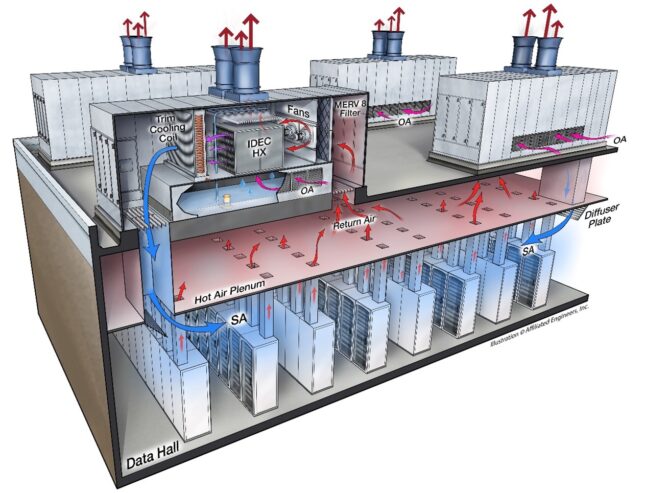
Across energy, compute, construction, manufacturing, and security, the pattern is consistent: systems are being redesigned for reliability, density, and repeatability, not elegance or novelty. Modular data centers replace bespoke hyperscale projects. Liquid cooling displaces air. Battery technology favors durability over theoretical performance. Automation moves downstream into smaller shops because labor reliability can no longer be assumed. Precision manufacturing returns because tolerance failures now cascade across supply chains.

The event horizons outlined here matter because they mark when delay stops working. Utilities can no longer defer upgrades. Cities can no longer approve projects without power plans. Organizations can no longer rely on brittle, centralized systems. Insurance, regulation, and operating costs will force adoption even where leadership hesitates.

This is not a story about breakthrough inventions. It is a story about systems being forced to reconcile with physics, energy, and maintenance reality. Regions and institutions that understand this early—those that invest in power access, cooling, skilled trades, modular construction, and physical security—will quietly gain leverage. Those that continue to plan as if technology is weightless will find themselves constrained not by imagination, but by transformers, substations, heat, and time.

In the next two years, physical technology will stop being background infrastructure and become the primary strategic variable.


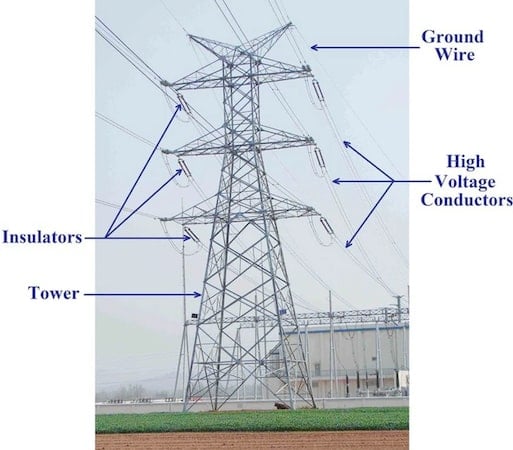
1. Power Infrastructure Becomes the Primary Constraint

Image

Trend: Electricity generation, transmission, and transformers become the bottleneck—not chips.

Event horizon: 2025
Grid upgrades, substations, and transformers hit multi-year backlogs.

Why it matters:

  • Data centers, EV charging, and industrial reshoring all compete for the same electrons
  • Regions with cheap, stable power gain leverage
  • Everything else slows without it


2. Data Centers Go Vertical, Modular, and Local

Image

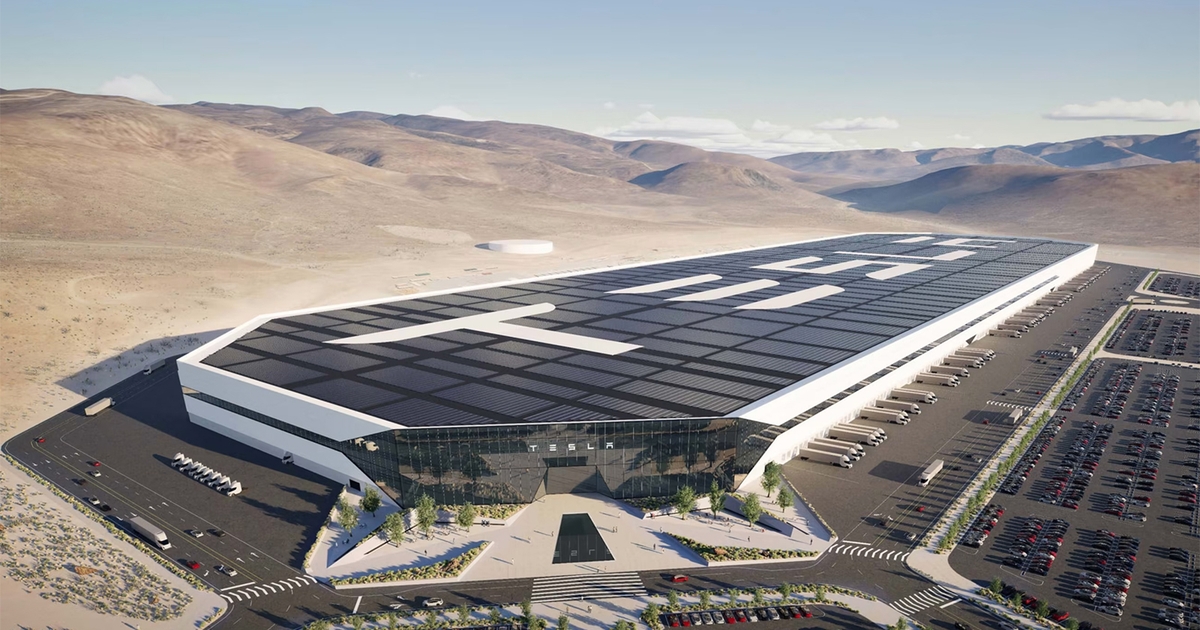
Trend: Smaller, faster-to-deploy data centers proliferate outside Tier-1 metros.

Event horizon: Late 2025
Hyperscale isn’t fast enough; modular wins.

Why it matters:

  • Secondary cities become compute hubs
  • Construction, cooling, and maintenance trades benefit
  • Zoning and power access become political flashpoints


3. Cooling Technology Becomes Strategic Hardware

Image

Image

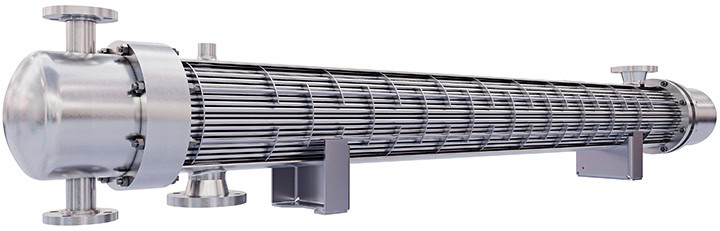
Trend: Cooling shifts from HVAC to liquid, immersion, and heat-reuse systems.

Event horizon: 2025–2026

Why it matters:

  • Compute density skyrockets heat loads
  • Cooling becomes as important as silicon
  • Industrial heat reuse (district heating, greenhouses) re-enters the conversation


4. Industrial Automation Moves Down-Market

Image

Trend: Robotics and automation move from mega-factories into small and mid-sized operations.

Event horizon: Mid-2025

Why it matters:

  • Labor scarcity + reliability issues force automation
  • “Lights-out” partial automation becomes normal
  • Skilled technicians matter more than operators


5. Semiconductor Packaging Beats Moore’s Law

Image

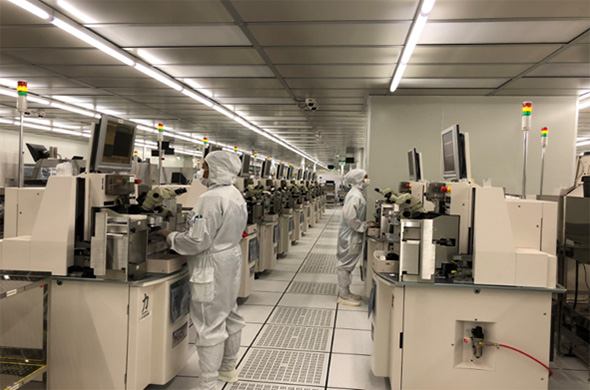
Trend: Gains come from chiplets, stacking, and packaging, not smaller transistors.

Event horizon: 2026

Why it matters:

  • Performance improves without massive fab overhauls
  • Domestic packaging plants become strategic assets
  • Supply chain resilience improves unevenly


6. Battery Tech Prioritizes Durability Over Density

Image

Trend: LFP, sodium-ion, and grid-scale storage outpace exotic lab chemistries.

Event horizon: 2025

Why it matters:

  • Storage stabilizes grids and renewables
  • EVs become cheaper but heavier
  • Fire risk, lifespan, and recycling dominate decisions


7. Construction Tech Shifts to Speed and Repeatability

Image

Trend: Prefab, modular, and panelized construction scale quietly.

Event horizon: Late 2025

Why it matters:

  • Labor shortages force factory-style building
  • Speed beats customization
  • Housing, data centers, and healthcare benefit first


8. Precision Manufacturing Returns (Quietly)

Image

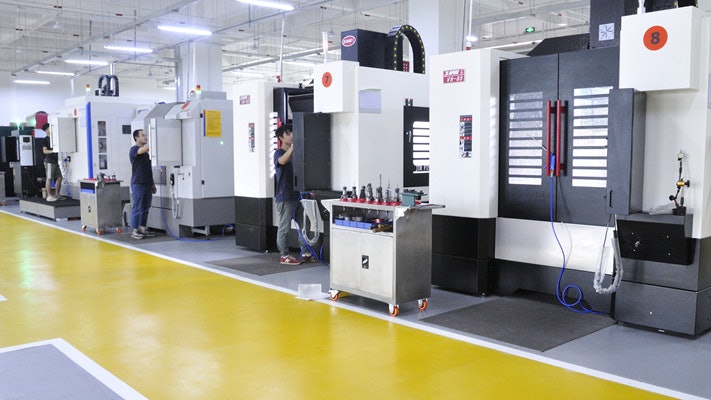
Trend: High-tolerance machining, metrology, and QA regain importance.

Event horizon: 2025–2026

Why it matters:

  • Defense, aerospace, medical, and energy demand it
  • “Good enough” manufacturing fails
  • Skilled machinists and inspectors become scarce


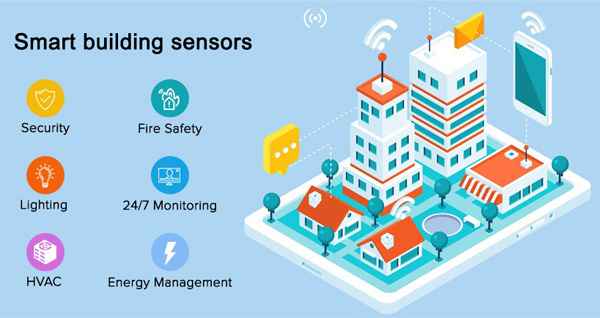
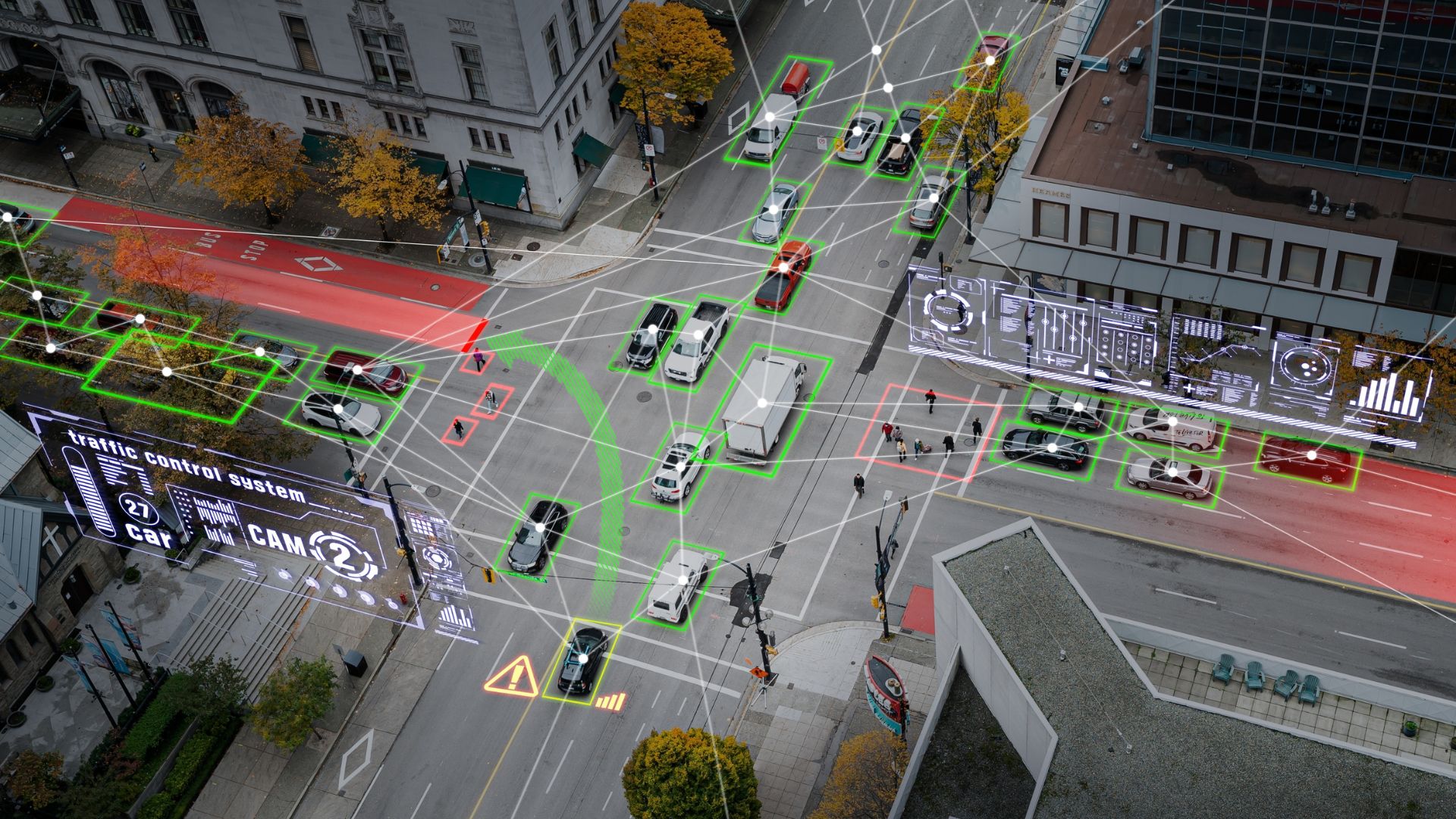
9. Sensor Saturation of Physical Space

Image

Image

Trend: Sensors become cheap, ubiquitous, and infrastructure-level.

Event horizon: 2025

Why it matters:

  • Buildings, roads, utilities, and factories generate constant data
  • Maintenance becomes predictive, not reactive
  • Privacy fights move from digital to physical space


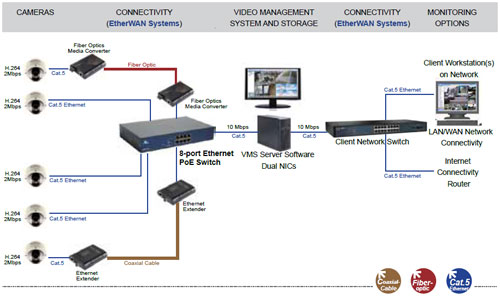
10. Physical Security Hardens Again

Image


Image

Trend: Access control, perimeter security, and redundancy return to priority status.

Event horizon: 2026

Why it matters:

  • Infrastructure sabotage and theft risks rise
  • Insurance forces upgrades
  • Security hardware becomes a compliance requirement, not a choice


The Structural Reality (No Hype)

Through 2026, physical systems dominate leverage:

  • Power > software
  • Cooling > compute
  • Logistics > algorithms
  • Reliability > innovation

Regions, firms, and individuals tied to infrastructure, maintenance, power, construction, and physical systems thinking gain real advantage—while purely digital plays get crowded and fragile.


Monday, December 22, 2025

Hickory 101 — Lesson 8: Finding the Signals

🧭 Hickory 101 – Lesson 3

Why We Study Signals visual

Introduction: Why We Study Signals

You ever notice how a town talks to you even when nobody’s saying a word? That’s what this lesson is about — learning to listen before the noise takes over.

Every community sends out signals. They’re the real patterns — the data, the observation, the truth — that tell you what’s happening beneath the headlines. It might be a new business going dark overnight or a school losing students year after year. Signals are what the city is whispering when the people in charge are shouting something else.

But for every signal, there’s noise. Noise is what confuses the picture — the outrage, the gossip, the spin. It’s the endless echo that fills the air while the truth gets buried underneath. Noise loves distraction; it feeds on it. And the louder it gets, the harder it is to see the pattern right in front of you.

That’s where connection comes in. You start linking the pieces together — jobs ↔ housing ↔ health — and pretty soon you see the system for what it is: one big feedback loop. Reality sends the signal, the public reacts, politics adds distortion, and somewhere in the middle, truth fights its way back to the surface.

That cycle — the feedback loop — is how a town either learns or repeats its mistakes. If the loop is clear, people adjust. If it’s full of noise, they double down and dig the hole deeper.

So when I say “study the signals,” this isn’t theory. It’s survival. Signals reveal the truth. Noise hides it. Learning the difference saves a city — and the people in it — time, money, and trust. What we’re doing here is simple: we’re cutting through the fog so we can finally see what’s real.


🧭 Section 2: What We’re Looking For

What We're Looking For visual

When you’re studying a place like Hickory, you’ve got to train your eyes to see more than what’s on the surface. Around here, we’re not guessing — we’re reading the room, the patterns, and the quiet truth hiding between the lines.

Every story we cover on The Hickory Hound begins with the same question: Is it a signal, or is it noise? Once you can answer that, everything else starts to make sense.

======== 

πŸ“‘ Signals

These are the real things — the data points, observable truths, and ground realities that you can measure without spin. When you SIFT the noise away, the signal remains — steady, factual, grounded.

πŸ”΅→ SIFT (See · Identify · Filter · Track)

Core Idea: SIFT is disciplined observation.
You begin by seeing the full landscape, identifying what’s real, filtering out spin, and tracking the details that remain. Every solid piece of civic intelligence starts here—jobs data, closures, infrastructure spending, migration flow. SIFT gives you clarity. It makes the invisible visible. In the Signals quadrant, it’s the truth sieve that separates what’s happening from what’s being said.

========  

πŸ“’ Noise

Noise tries to drown the signal out — the distraction loop, narrative fog, and echo chamber that keep people arguing instead of thinking. 

πŸ”΄→ SPIN (Sensationalism · Politics · Ideology · Neglect)

Core Idea: SPIN is distortion disguised as dialogue.
It’s the static that fills the air—press releases, partisan headlines, rumor loops, and feel-good slogans. It thrives on attention, not accuracy. In the Noise quadrant, SPIN is the civic pollutant that bends perception until people mistake performance for progress. The antidote isn’t shouting louder; it’s recognizing the pattern of manipulation and refusing to amplify it.

======== 

πŸ“ˆ Trends

Trends are the slow movers — the pattern lines, directional changes, and behavior curves that tell you where things are headed. To see a trend, step back and look at the map. That’s how you MAP your surroundings. 

🟒→ MAP (Measure · Analyze · Predict)

Core Idea: MAP is strategic pattern reading.
You measure reality, analyze the movement, and predict direction. Trends form when signals repeat long enough to draw a line—population loss, wage stagnation, retail sprawl. In the Trends quadrant, MAP converts scattered dots into a route you can actually follow. It’s where insight turns into foresight and where planning replaces guessing.

======== 

⚠️ Anomalies

Anomalies are the surprises — the red flags, outlier events, and system glitches that break the pattern. That’s when you start reading the ARC — the turning point between normal and coming undone. 

🟠→ ARC (Alert · Recheck · Contextualize)

Core Idea: ARC is the early-warning reflex.
When something breaks the pattern—factory shutdown, sudden rent spike, unexplained statistic—you alert, recheck, and contextualize. You don’t panic; you investigate. In the Anomalies quadrant, ARC is the shock absorber that keeps a system from collapsing under surprise. It’s how a community spots trouble early and adapts before crisis becomes collapse.

 ========

SIFT the signal →  SPOT the noise  MAP the trend → Read the ARC.


🧭 Section 3: The Feedback Loop

Catawba County map

Now let’s take what we’ve learned — signals, noise, trends, and anomalies — and put it in motion. Because a system doesn’t just sit still; it breathes, reacts, and talks back. That’s what we call the Feedback Loop.

This — right here — is Catawba County. Every road, every town line, every neighborhood is part of a living circuit. What happens in one corner sends a ripple clear across to the other. That’s not philosophy — that’s cause and effect.

Let’s walk through how it works.

Reality starts it. That’s the signal — the real condition on the ground. Maybe it’s rising rent, an overloaded school, or another industry not hiring locally. Those are the sparks that tell us where we really stand.

Then comes public reaction. People feel it first — at the gas pump, in their paychecks, in how far they have to drive for groceries or childcare. Some speak up; some just grit their teeth. But that response starts shaping the conversation.

Next, politics and media pick it up. That’s where the distortion creeps in. Numbers get rounded, blame gets traded, rumors fly, and the story starts to spin. That’s the noise feeding back into the loop.

By the time that filtered message comes back around, it doesn’t look much like the original signal. Instead of truth, we’re dealing with perception — and policy gets made on that perception. That’s how decisions that look smart on paper end up making real life harder.

But here’s the key: feedback can work both ways.
If you keep the signal clear — if people stay grounded in facts, observation, and connection — that loop becomes a learning tool instead of a blame machine. The truth gets sharper, not duller.

That’s the lesson of Hickory’s feedback loop:
the more you listen, the less you lose.

If we get this right, the signal becomes stronger with every pass through the system. That’s how you rebuild trust — not with slogans, press releases, or speeches, but by aligning what people see with what leaders say.

So when you look at this map, don’t just see geography. See circuitry.
Every neighborhood, business, and household is part of that loop.
The goal isn’t just to hear the signal — it’s to keep it from getting lost on the way back home.


🧭 Section 4: Tools of Observation

Section 4: Tools of Observation

Now, if you’re going to make sense of what’s really happening in Hickory, you’ve got to know how to look. Not just glance, but observe. The difference between guessing and knowing comes down to the tools you use — and whether you’re willing to pick them up.

That’s what this next slide is about — the Tools of Observation.

These are how we separate the story from the spin, the truth from the noise, and the real movement from the mirage.


πŸ” Analysis

This is the magnifying glass. It’s how you tell pattern from coincidence.
Numbers don’t lie, but they don’t talk on their own either — you have to know what to ask them.
Analysis means reading the room through data: job numbers, grocery prices, migration shifts, property trends.
When you connect those dots long enough, the picture gets clear — even if no one else wants to see it.


πŸ‘₯ Community Feedback

This one’s easy to miss. People think civic knowledge comes from official reports, but the real story walks in through the front door of a gas station, a diner, or a church lobby.
That’s where you hear the truth before it ever shows up in a spreadsheet.
Community feedback is the voice of lived experience — how policy feels when it hits the paycheck, or how a school decision lands in a parent’s kitchen.
If you don’t listen to the people living the data, your analysis is blind.


πŸ“° Journalism

This is the record keeper — the town’s collective memory.
When a story disappears, the history goes with it.
Good journalism doesn’t just report what happened; it preserves it for when the rest of the world forgets.
That’s why losing local news is so dangerous. Without someone documenting the day-to-day — the votes, the closings, the quiet warnings — you lose your bearings. You can’t navigate without a compass.


πŸ’» Public Data

This is the library of truth — open to everyone, but used by almost no one.
Budgets, reports, census figures, health dashboards — they’re all there for free, hidden in plain sight.
But the system counts on people not reading them.
The minute you do, you realize just how far the narrative drifts from the numbers.
Public data doesn’t have feelings, but it does have fingerprints — and once you learn to read them, you can track how the whole system actually works.


Analysis +  Community Feedback + Journalism + Public Data

Put these four tools together, and you stop being a spectator.
You become what this community has been missing for a long time — an observer with purpose.
You start seeing Hickory as it truly operates: where power sits, where opportunity hides, and where the next storm’s already building.

And once you can see that, you’re no longer waiting for change.
You’re documenting it.


🧭 Section 5: The Discipline of Listening

You can measure a town by the way it listens.
Most folks talk plenty — at meetings, on Facebook, at the diner — but real listening, the kind that changes what you know, is rare.
It takes discipline, not opinion.

You start by shutting up long enough to hear the room breathe.
The grocery clerk who knows which families are cutting back.
The line cook who sees lunch crowds thinning.
The school secretary who notices which kids bring snacks and which don’t.
That’s ground-level intelligence. Truth from the ground.
It never makes the evening news, but it tells you everything about where a community stands.

Listening isn’t about sympathy — it’s reconnaissance.
You’re tracking morale, pressure, trust.
When people stop volunteering information, it means they’ve stopped believing anyone’s paying attention.
That’s when cities lose their signal and start governing from spreadsheets instead of people.

Here’s the rule:
If you want better data, earn better trust.
If you want better trust, listen first and talk last.

So practice it.
When you read a local headline, ask who’s missing from the story.
When you see a new development go up, ask who gains and who’s priced out.
When a public official tells you “everything’s fine,” go check the parking lot at Food Lion.

The discipline of listening isn’t passive; it’s investigative.
It’s what separates the citizens who know from the ones who assume.
And once you hear enough truth from enough corners, the noise starts to thin, and the signals line up like fence posts after a storm.

That’s when you know you’re not just reading The Hickory Hound.
You’re becoming part of the intelligence network that keeps this place honest.

The Discipline of Listening visual

This line captures the philosophy behind my platforms: listening isn’t passive. It’s civic intelligence at work. When people talk honestly and others actually listen, the truth of a place starts to reveal itself.

-------- 

🧭 Conclusion: Reading the Room, Hearing the Town

What we’ve done in this lesson isn’t just learn definitions — we’ve started learning how to see.
Signals, noise, trends, and anomalies aren’t abstract terms; they’re the heartbeat of this place. They’re how you track what’s real in a town that often hides behind its own PR. When you learn to SIFT, SPIN, MAP, and ARC, you stop mistaking volume for truth. You start separating what’s loud from what’s true.

Every story, statistic, and rumor fits somewhere in that system.
SIFT the facts.
Spot the SPIN.
MAP the movement.
Read the ARC before it breaks the pattern.

That’s the skill that keeps a community from getting blindsided — it’s how you stop being a bystander in your own hometown. Hickory’s not some unsolvable puzzle. It’s a system. And systems can be read, measured, and corrected if enough people learn how to listen without bias and speak without noise.

Signals are out there. They always have been. The question is whether we still have the discipline — and the patience — to read them.


πŸŽ“ Class Dismissal: Leading into Lesson 4 – Reading the Field

Alright, class — that’s enough theory for one day.
You’ve got the map now. You know how to tell a signal from a smokescreen. But next time, we’re going to take that skill out of the classroom and onto the field.

Lesson 4 is “Reading the Field: Ground Truth and the Local Lens.”
That’s where we step into the neighborhoods, storefronts, and intersections where Hickory’s data meets daily life. You’ll see how feedback feels in real time — what the numbers look like when you’re standing in line at the grocery store or driving down Lenoir-Rhyne Boulevard.

Bring your notebook, your eyes, and your curiosity.
The test isn’t written. It’s lived.

See you in Lesson 4 — we’ll be reading the room, not just the report.